The Difference Between Dry Skin and Dehydrated Skin: Winter Care Tips
Cold temperatures, low humidity, and indoor heating can take a toll on your skin during winter. Many people notice tightness, flaking, or dullness and assume they have dry skin, but dehydrated skin is often the real culprit. Understanding the difference between dry skin and dehydrated skin can help you choose the right care strategies and keep your skin healthy throughout the colder months.
Understanding Dry Skin
Dry skin is a skin type, meaning it is something you are generally born with or develop over time. It occurs when the skin does not produce enough natural oils to maintain a healthy barrier. During winter, dry skin often becomes more noticeable due to cold air and reduced moisture in the environment.
Common signs of dry skin include rough texture, flaking, redness, itchiness, and a feeling of tightness that does not improve easily. Because the skin lacks oil, it may also be more prone to irritation and sensitivity.
Understanding Dehydrated Skin
Dehydrated skin is a condition, not a skin type, and it can affect anyone, even people with oily or acne-prone skin. Dehydration occurs when the skin lacks water rather than oil. Winter weather, hot showers, harsh cleansers, and inadequate hydration can all contribute to dehydrated skin.
Signs of dehydration may include dullness, fine lines that appear more noticeable, increased sensitivity, and skin that feels tight but still looks shiny or oily in some areas. Dehydrated skin often feels uncomfortable and may not respond well to products designed only for dryness.
Key Differences Between Dry and Dehydrated Skin
The main difference lies in what the skin is lacking. Dry skin needs oil to strengthen the skin barrier, while dehydrated skin needs water to restore moisture levels. Dry skin is typically a long-term concern, whereas dehydration can be temporary and triggered by environmental or lifestyle factors.
Because the symptoms can overlap, many people unknowingly treat dehydrated skin with heavy products that do not address the underlying issue, leading to ongoing discomfort.
Winter Care Tips for Healthier Skin
During winter, gentle skincare is essential for both dry and dehydrated skin. Using mild cleansers helps avoid stripping the skin of its natural moisture. Applying moisturizer immediately after washing helps seal in hydration, especially when the skin is still slightly damp.
For dry skin, richer creams and ointments that replenish oils can support the skin barrier. For dehydrated skin, products containing humectants like hyaluronic acid can help draw moisture into the skin. Drinking enough water, limiting very hot showers, and using a humidifier indoors can also make a noticeable difference.
When to See a Dermatologist
If dryness, irritation, or sensitivity persists despite home care, a dermatologist can help identify whether dry skin, dehydration, or an underlying condition is contributing to your symptoms. Professional guidance ensures you are using products and treatments appropriate for your skin’s needs, especially during winter when skin concerns often worsen.
Supporting Skin Health All Winter
Understanding whether your skin is dry or dehydrated allows you to care for it more effectively. With the right approach, winter skin discomfort can be managed and prevented.
If you are struggling with ongoing skin dryness, irritation, or sensitivity during the colder months, a dermatology visit can help restore comfort and protect your skin’s long-term health.
Recent blog
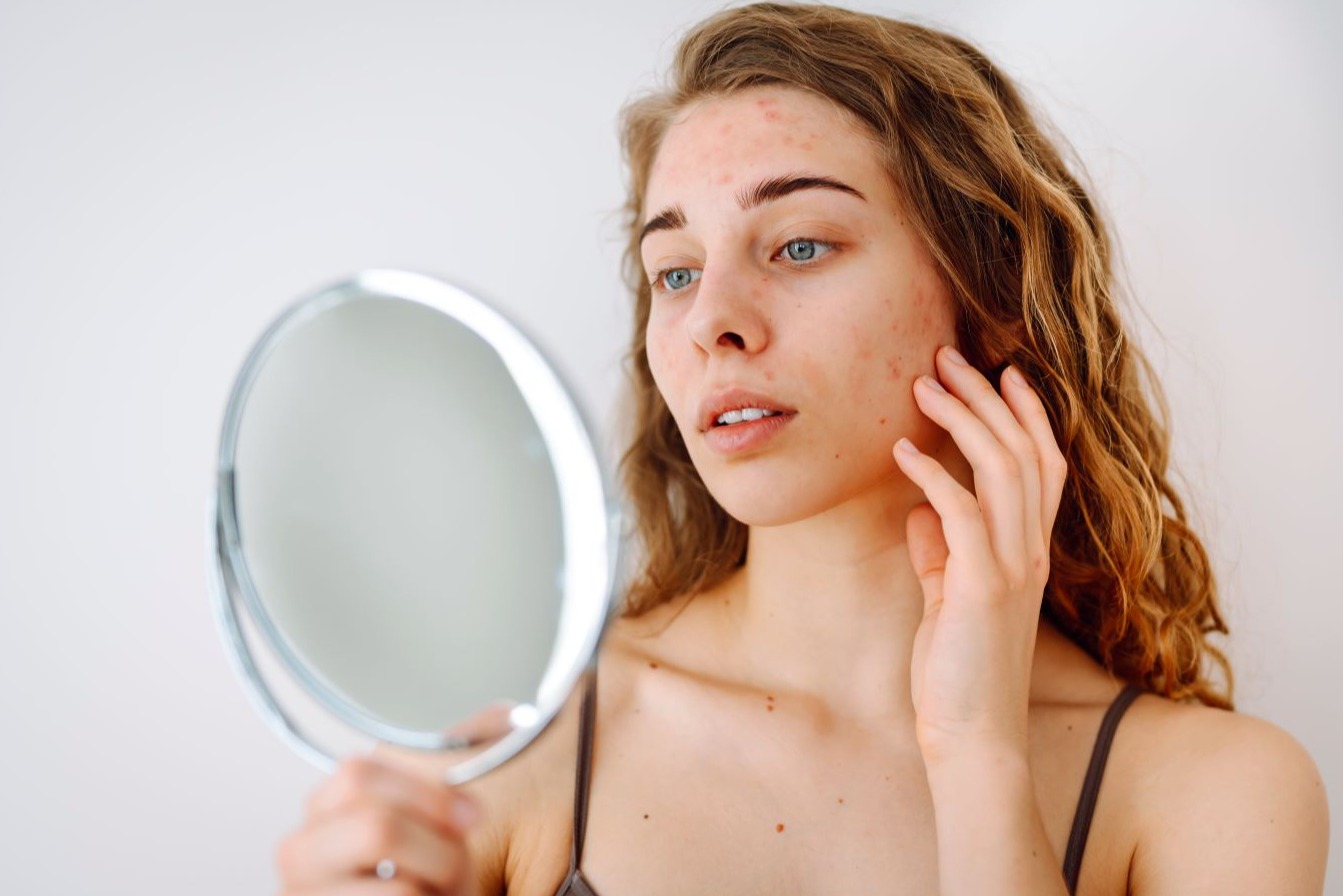
Unlock Healthier Skin by Reducing Sugar in Your Diet
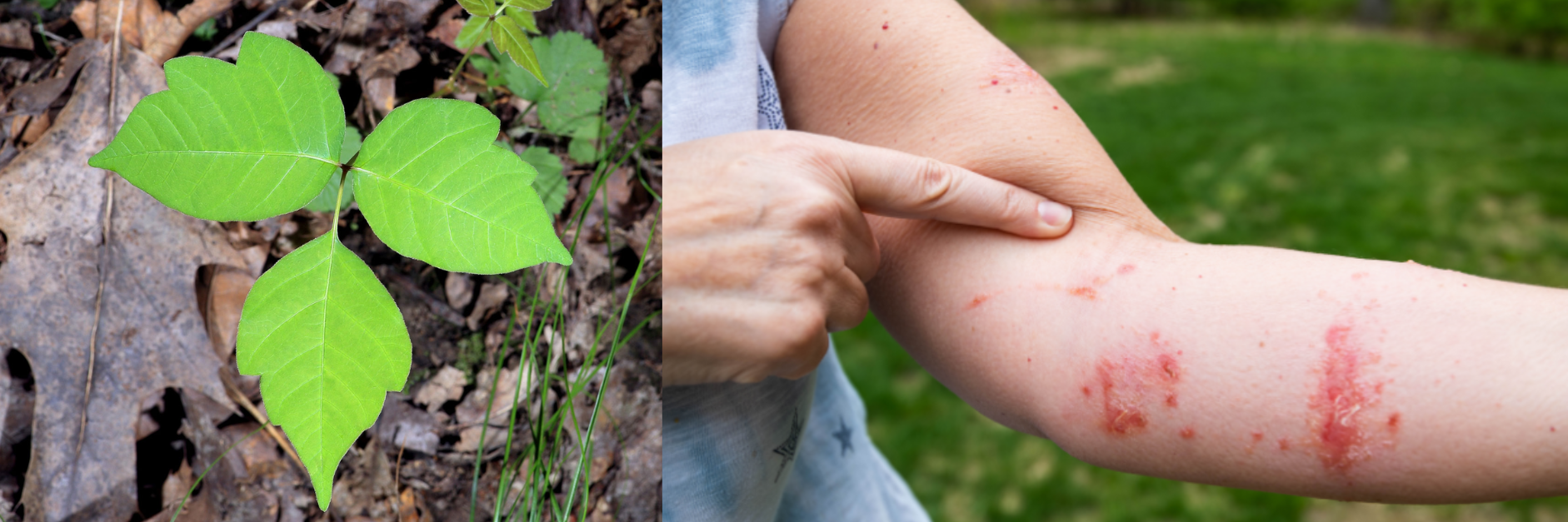
Your Summer Guide to Poison Ivy and Allergic Contact Dermatitis

Top Reasons to Moisturize Your Skin During Summer Months

Unlock Healthy Skin with These Glow-Boosting Fruits
Top Reasons Sun Protection Should Be Part of Your Daily Routine