
How to Stay Tick-Free in Spring – Expert Advice from your Dermatology Team
Understanding Tick Activity in Spring
As spring arrives and temperatures begin to rise, a subtle but significant shift occurs in the natural world—ticks emerge from their winter dormancy, becoming highly active and searching for hosts. This seasonal resurgence is particularly important to understand, as it marks the beginning of a period when the risk of tick bites and tick-borne illnesses, such as Lyme disease, increases dramatically. The moist, warming conditions of spring create the ideal environment for ticks to thrive, especially in areas with tall grasses, leaf litter, and dense underbrush commonly found in gardens, parks, and wooded trails.
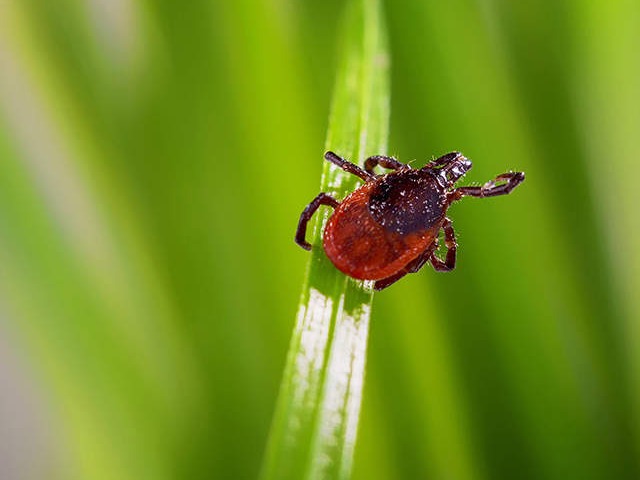
Ticks are small, resilient arachnids that rely on blood meals to progress through their life stages. In spring, nymphs—the immature but already infectious form—are most abundant and pose a heightened risk due to their tiny size, making them difficult to detect. These nymphs are particularly active from April through June, coinciding with the time when people are most eager to spend time outdoors after months of winter confinement. Unlike many other parasites, ticks do not jump or fly; instead, they employ a behavior called “questing,” where they climb vegetation and wait patiently for a passing host to latch onto.
Understanding this pattern of activity is crucial for anyone planning to enjoy the outdoors during spring. By recognizing where ticks are most likely to be encountered and how their lifecycle influences their behavior, you can take informed steps to protect yourself and your loved ones during this peak season.
Common Tick Species and Where They Thrive
As spring unfolds, ticks emerge in full force, posing a silent threat to outdoor enthusiasts and backyard gardeners alike. Understanding the most common tick species and their favored habitats is the first step in staying tick-free and protecting your skin health. Across the United States, several tick varieties dominate, each with unique preferences for environment and hosts.
Key Tick Species to Watch For
- Blacklegged Tick (Deer Tick): This notorious carrier of Lyme disease prefers shaded, moist environments rich in leaf litter. Found predominantly in the Northeast, Midwest, and parts of the West Coast, blacklegged ticks lurk in dense woods, overgrown grass, and even suburban gardens.
- American Dog Tick: Thriving in grassy fields and along the edges of wooded areas, the American dog tick is a common sight in the eastern half of the United States. It can also inhabit parks and trails—anywhere dogs and humans frequent.
- Lone Star Tick: Easily identified by the distinctive white dot on the female’s back, this tick species is most prevalent in the southeastern and south-central states. Lone star ticks favor low, brushy vegetation and woodland edges, making rural areas and wildlife corridors prime hotspots.
Recognizing the habitats where these ticks flourish allows you to remain vigilant. Whether you’re hiking, gardening, or enjoying a picnic, being aware of your surroundings and the local tick species is essential for effective prevention. Understanding where ticks thrive sets the foundation for proactive protection as you enjoy the beauty of spring outdoors.
Why Ticks Are a Concern for Your Skin Health
As the weather warms and spring brings new life to parks, gardens, and wooded trails, an unseen threat emerges that can have serious consequences for your skin health: ticks. These tiny arachnids may seem insignificant at first glance, but their impact extends far beyond a simple bite. Understanding why ticks are a concern is essential for anyone eager to enjoy the outdoors while safeguarding their well-being.
Ticks are more than just a nuisance—they are vectors for a range of skin-related health issues. When a tick bites, it latches onto the skin using specialized mouthparts, often going unnoticed for hours or even days. This prolonged attachment increases the risk of transmitting infections, most notably Lyme disease, which can manifest initially as a distinctive bullseye rash. In addition to Lyme disease, ticks can transmit other illnesses such as Rocky Mountain spotted fever, anaplasmosis, and babesiosis, all of which may begin with subtle skin symptoms but can quickly escalate into more serious health concerns if left untreated.
Risks Associated with Tick Bites
- Local Skin Reactions: Immediate redness, swelling, and itching at the site of the bite.
- Infection Transmission: Ticks can transmit bacteria and viruses directly into the bloodstream, often starting with a skin lesion or rash.
- Allergic Reactions: Some individuals may develop allergic responses, including swelling and even anaphylaxis in rare cases.
Given these risks, it’s clear why dermatology experts stress the importance of vigilance during tick season. By understanding the potential dangers ticks pose to your skin health, you can take informed steps to protect yourself and your loved ones as you embrace the beauty of spring.
Expert Dermatology Tips for Preventing Tick Bites
Dress Defensively
Clothing is your first line of defense. Opt for long-sleeved shirts and long pants, especially in wooded or grassy areas where ticks thrive. Tuck your pants into your socks or boots to eliminate easy access points for ticks. Light-colored fabrics are recommended, as they make it easier to spot these tiny intruders before they latch onto your skin.
Choose the Right Repellent
Dermatology experts advise applying EPA-approved insect repellents containing DEET or picaridin to exposed skin and clothing. For added protection, consider treating clothing and gear with permethrin, a repellent specifically designed for fabrics. Always follow label instructions to ensure safety and effectiveness.
Perform Thorough Skin Checks
After spending time outdoors, conduct meticulous tick checks on yourself, children, and pets. Focus on hidden areas such as the scalp, behind the ears, underarms, and around the waist. Prompt removal of ticks reduces the likelihood of disease transmission and skin complications.
By integrating these expert dermatology tips into your springtime routine, you empower yourself to enjoy nature’s beauty without the worry of tick bites. Consistent prevention is the key to keeping your skin healthy and tick-free throughout the season.
Key Steps to Check for Ticks After Outdoor Activities
After spending time outdoors—whether hiking through wooded trails, gardening, or enjoying a picnic in grassy areas—it’s crucial to conduct a thorough tick check to protect yourself and your loved ones from tick-borne illnesses. Ticks are tiny, tenacious parasites that often go unnoticed until they’ve had time to attach and feed. Prompt detection and removal are essential for reducing the risk of Lyme disease and other tick-related conditions.
Start With a Full-Body Inspection
Begin your tick check as soon as you return indoors. Stand in a well-lit area or use a handheld mirror to carefully examine your entire body. Pay special attention to hidden or hard-to-see spots, including:
- Behind the knees and inside elbows
- In and around the ears
- Along the hairline and scalp
- Under arms and around the waist
- Between the legs and around the groin
Clothes and Gear Matter
Remove your clothing and check both the inside and outside surfaces for crawling ticks. Place your clothes in a hot dryer for at least 10 minutes to kill any lingering pests. Don’t forget to inspect backpacks, hats, and shoes, as ticks can hitch a ride on these items.
Quick Shower, Lasting Protection
Take a shower within two hours of coming indoors. This helps wash away loose ticks and offers another opportunity to spot and remove any attached ones. If you find a tick, use fine-tipped tweezers to grasp it close to the skin and pull upward steadily without twisting.
By making these tick checks part of your routine, you’ll significantly lower your risk and enjoy the outdoors with greater peace of mind—ready for your next adventure.
Recent blog

Top Reasons Sun Protection Should Be Part of Your Daily Routine

Understanding the Link Between Stress and Common Skin Conditions
Stay Tick Free This Spring — Friendly Tips for Everyone

How Sun Exposure Affects Skin Health Year-Round
Understanding Changes in Skin Health Over Time