Rosacea Treatment at Dermatology Associates of Ithaca
Rosacea is a chronic inflammatory skin condition that most commonly affects the face, causing redness, visible blood vessels, and acne-like bumps. At Dermatology Associates of Ithaca, our board-certified dermatology providers offer personalized rosacea treatment plans designed to control symptoms, reduce flares, and improve skin comfort and appearance.
While rosacea is a long-term condition, proper diagnosis and treatment can significantly improve symptoms and quality of life.
What to Expect During a Rosacea Evaluation
A rosacea evaluation focuses on identifying your rosacea subtype and understanding your unique triggers.
During your visit, your provider will:
- Review your medical history and skin concerns
- Ask about facial flushing, redness, or sensitivity
- Identify rosacea subtype and severity
- Discuss potential triggers and flare patterns
- Create a customized treatment plan based on your symptoms
Rosacea can look different from person to person, which is why individualized care is essential.
Schedule a Rosacea Consultation

Why Treating Rosacea Is Important
Although rosacea is not dangerous, untreated rosacea may worsen over time and lead to:
Early treatment can help control symptoms, reduce flare severity, and prevent progression.
Schedule an Appointment
Common Types of Rosacea
Rosacea can present in several ways, and some patients may have more than one subtype.
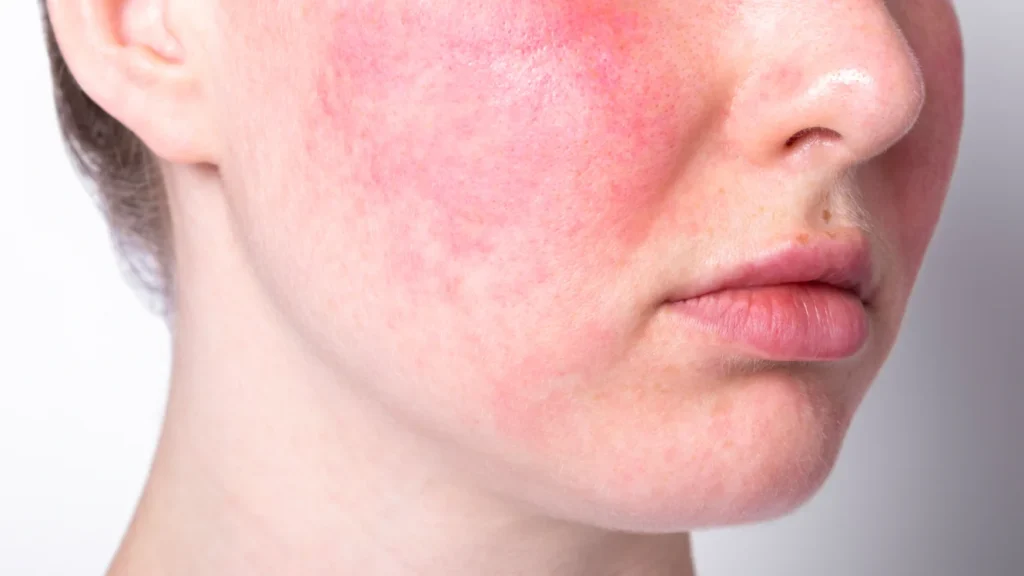
Erythematotelangiectatic Rosacea (ETR)
Characterized by:
- Persistent facial redness
- Flushing
- Visible blood vessels
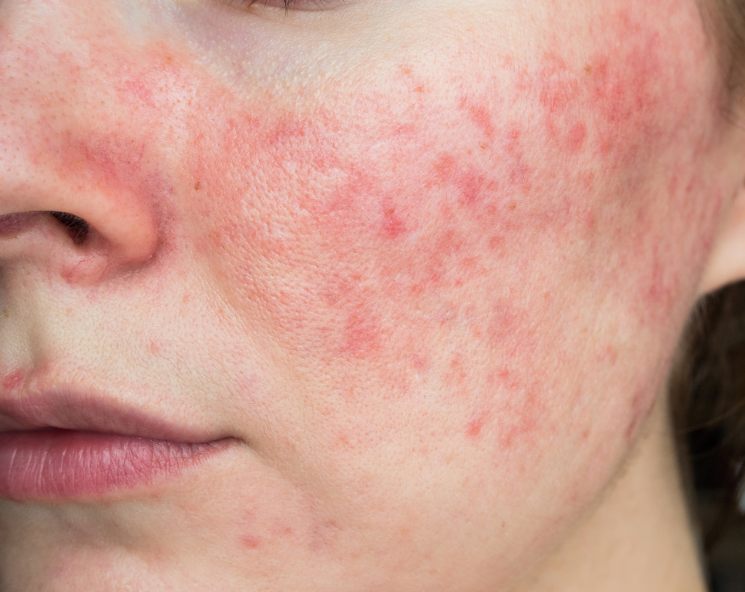
Papulopustular Rosacea
Often mistaken for acne, this subtype includes:
- Red bumps and pus-filled pimples
- Facial redness and swelling
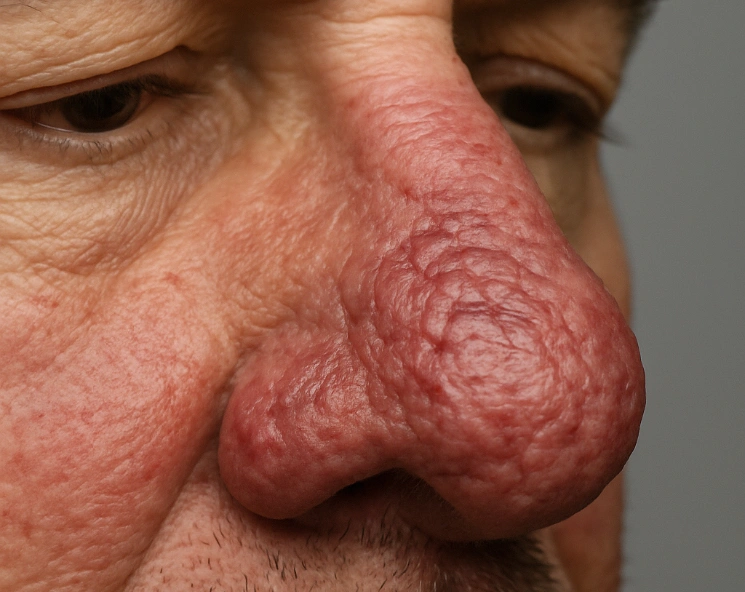
Phymatous Rosacea
A less common form that can cause:
- Thickened, bumpy skin
- Most often affects the nose
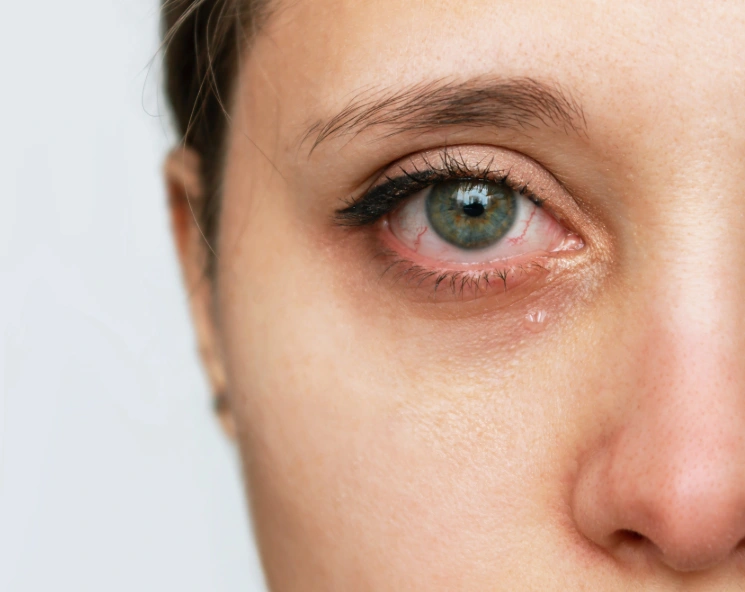
Ocular Rosacea
Affects the eyes and eyelids, causing:
- Dryness or irritation
- Redness
- Grittiness or burning sensation

Rosacea Treatment Options
Treatment depends on rosacea type, severity, and individual skin sensitivity.
Options may include:
Your provider will review expectations and recommend the most effective approach for your skin.
Schedule an Appointment
Managing Rosacea Triggers
Rosacea symptoms often flare in response to triggers, which vary by individual.
Common triggers include:
- Sun exposure
- Hot or cold temperatures
- Spicy foods or hot beverages
- Alcohol
- Stress
- Certain skincare products
Identifying and avoiding personal triggers can significantly improve symptom control.
Schedule an appointment
Dermatology Associates of Ithaca
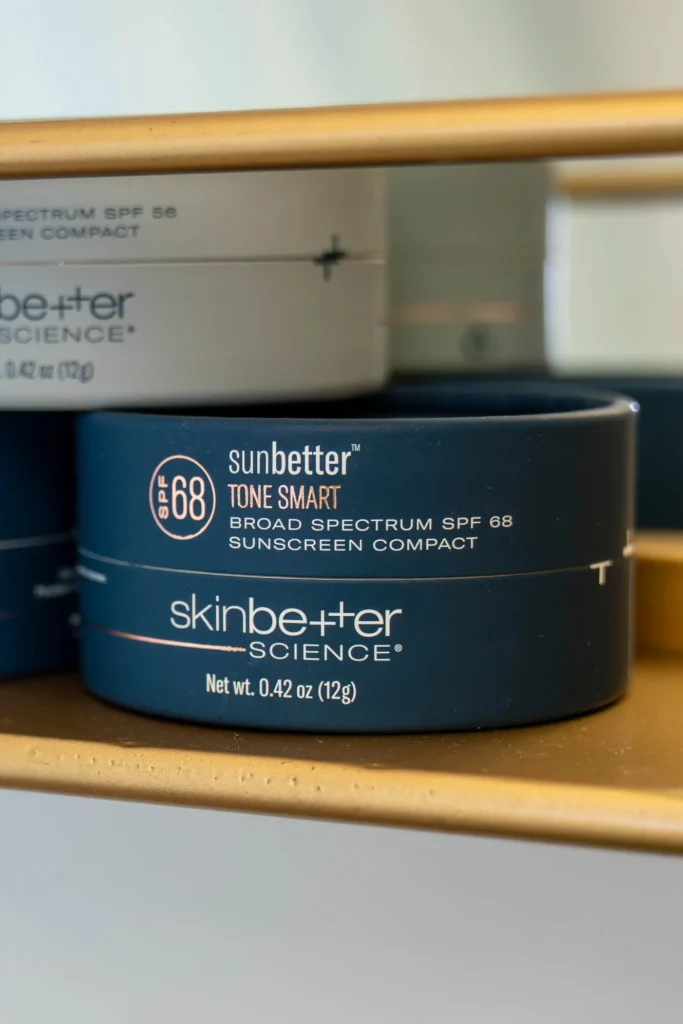
Ongoing Care and Skin Protection
Rosacea requires ongoing management. Regular follow-up visits allow your provider to adjust treatment and address changing symptoms.
We also provide guidance on:
Schedule a Rosacea Consultation
If you are experiencing facial redness, flushing, or rosacea-like breakouts, our experienced dermatology providers are here to help.
Schedule an Appointment



Contact Us
Have a question or ready to schedule? We’re here to help.