Psoriasis Treatment at Dermatology Associates of Ithaca
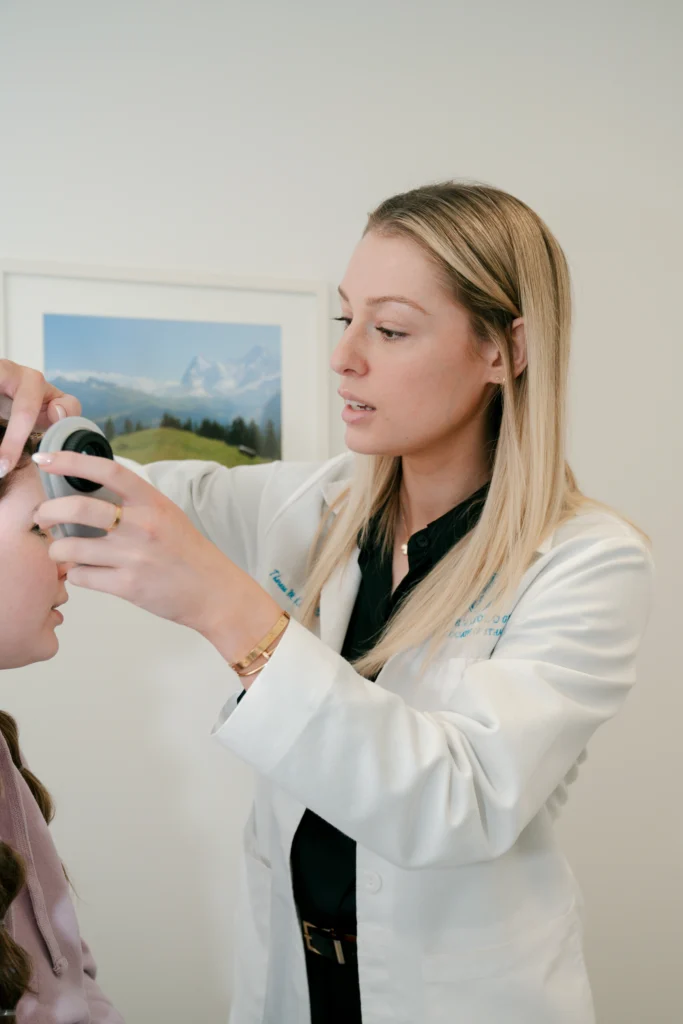
What to Expect During a Psoriasis Evaluation
- Review your personal and family medical history
- Ask about triggers, flare patterns, and joint symptoms
- Examine affected areas of the skin and scalp
- Assess disease severity and distribution
- Discuss treatment options based on your symptoms and lifestyle

Why Treating Psoriasis Is Important
Common Psoriasis Treatment Options
Topical Treatments
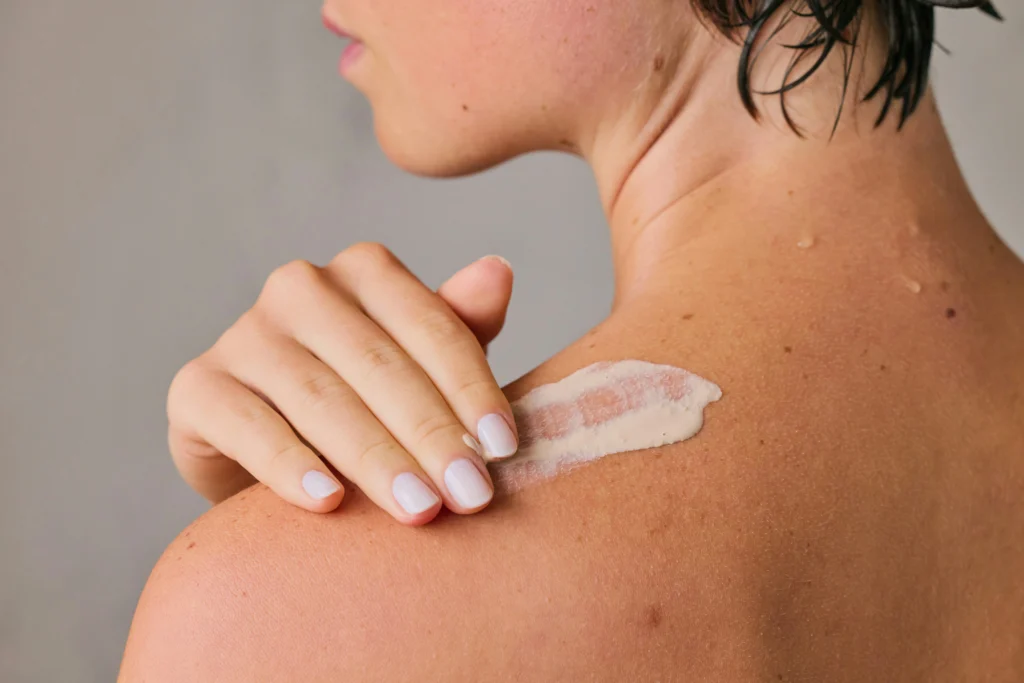
Topical therapies are often used for mild to moderate psoriasis.
Topical steroids
- Reduce inflammation, redness, and scaling
- Typically applied twice daily for short treatment cycles
- Followed by a rest period to protect skin health
Types of topical steroids may include:
- Low-potency steroids, such as hydrocortisone, used on sensitive areas (face, armpits, groin)
- Higher-potency steroids, such as clobetasol or fluocinonide, used for thicker plaques on the body for limited durations
Moisturizers are applied after topical steroids to support skin barrier repair.

Vitamin D-Based Treatments
Topical vitamin D creams, such as calcipotriene or calcipotriol:
- Help slow abnormal skin cell growth
- Do not cause skin thinning
- Are often used during steroid “break weeks” or on sensitive areas
Light Therapy for Psoriasis
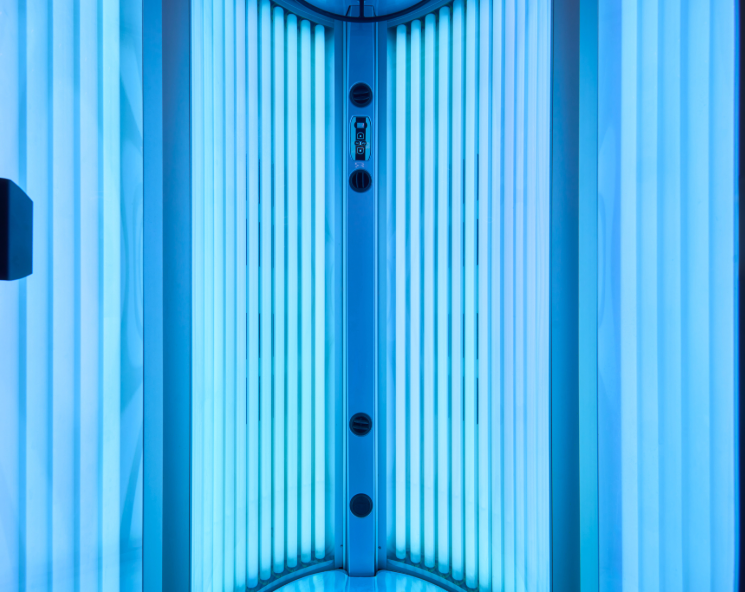
Psoriasis often improves with controlled exposure to ultraviolet light.
UVB Light Therapy (Narrowband / NB-UVB, Broadband / BB-UVB):
- Is a well-established treatment for psoriasis
- Is performed in-office, typically three times per week
- Requires short visits
- May take 6–8 weeks to show improvement
Light therapy is often recommended when topical treatments are insufficient.

Systemic and Biologic Treatments
For patients with moderate to severe or widespread psoriasis, systemic treatments may be considered.
These may include:
- Biologic medications (such as etanercept, adalimumab, ustekinumab, or secukinumab), which target specific immune pathways
- Oral medications, such as methotrexate, in select cases
Systemic treatments may offer convenience and improved control but require careful monitoring due to immune effects and insurance authorization requirements. Your provider will discuss risks, benefits, and alternatives in detail.
Psoriasis of the Scalp
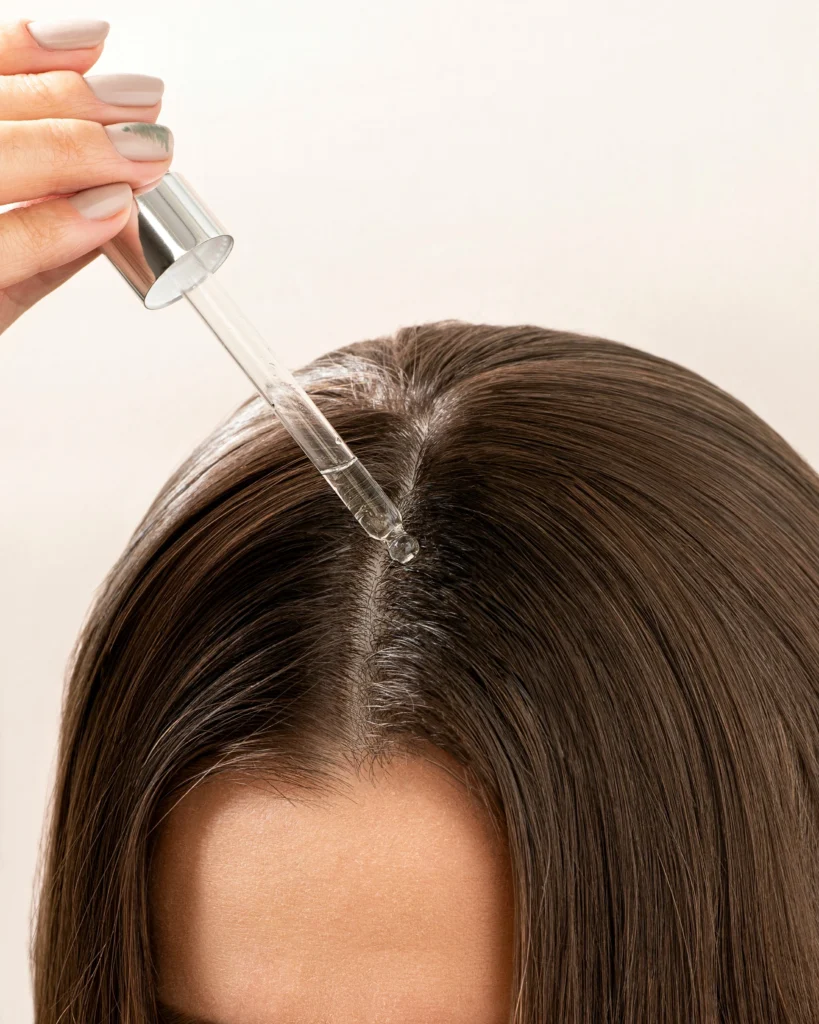
Psoriasis commonly affects the scalp and may cause scaling, itching, and discomfort.
Treatment options may include:
- Medicated foams, oils, solutions, or lotions
- Prescription topical therapies
- Systemic treatment for severe cases
Your provider will tailor treatment based on severity and response.
Ongoing Care and Lifestyle Considerations
Schedule a Psoriasis Consultation