Mole Evaluation and Monitoring at Dermatology Associates of Ithaca
Moles are common skin growths that most people develop over time. While many moles are harmless, some can change or develop features that require medical evaluation. At Dermatology Associates of Ithaca, our board-certified dermatology providers evaluate and monitor moles to help detect concerning changes early and support long-term skin health.
Whether you have a new mole, a changing mole, or simply need reassurance, our team provides thorough, attentive care in a comfortable and respectful setting.
What to Expect During a Mole Evaluation
A mole evaluation is a focused but thorough assessment of your skin.
During your visit, your provider will:
- Review your personal and family history of skin cancer
- Ask about new, changing, or symptomatic moles
- Perform a visual examination of the mole and surrounding skin
- Use specialized tools, such as dermoscopy, when appropriate
Determine whether monitoring, biopsy, or removal is recommended
If a mole appears atypical or concerning, your provider may recommend a skin biopsy. This is a quick, in-office procedure performed with local anesthesia. All findings and next steps will be clearly explained.
Schedule a Mole Evaluation
Why Monitoring Moles Is Important
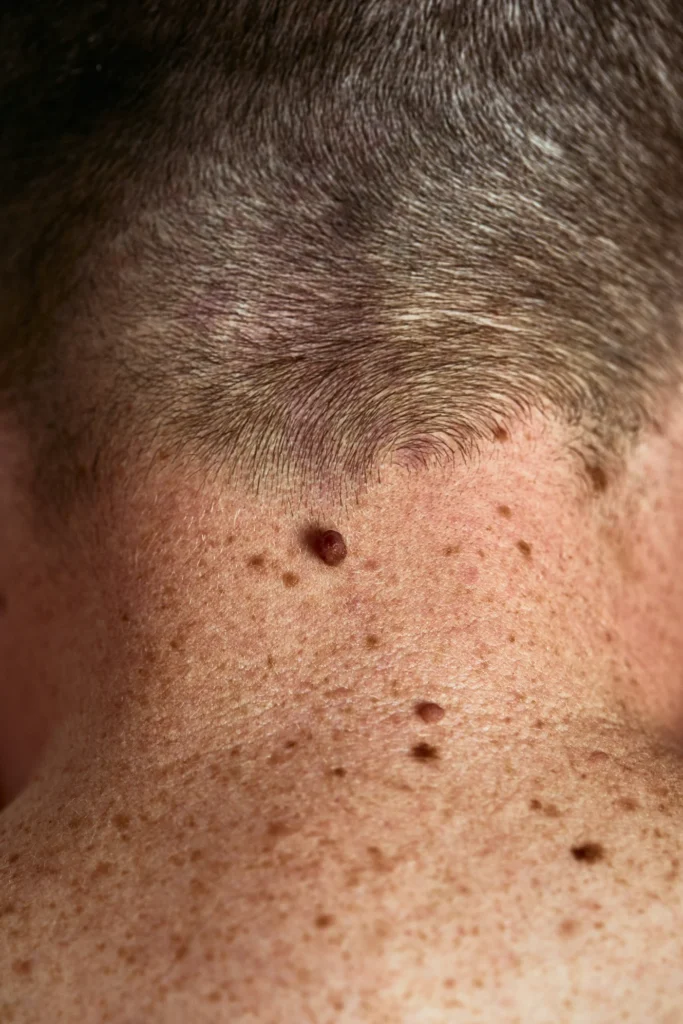
Most moles are benign, but some can develop into melanoma, the most serious form of skin cancer. Monitoring moles allows for early detection of changes that may indicate cancerous or precancerous transformation.
Early evaluation:
Schedule an Appointment
Common Types of Moles
Benign Moles
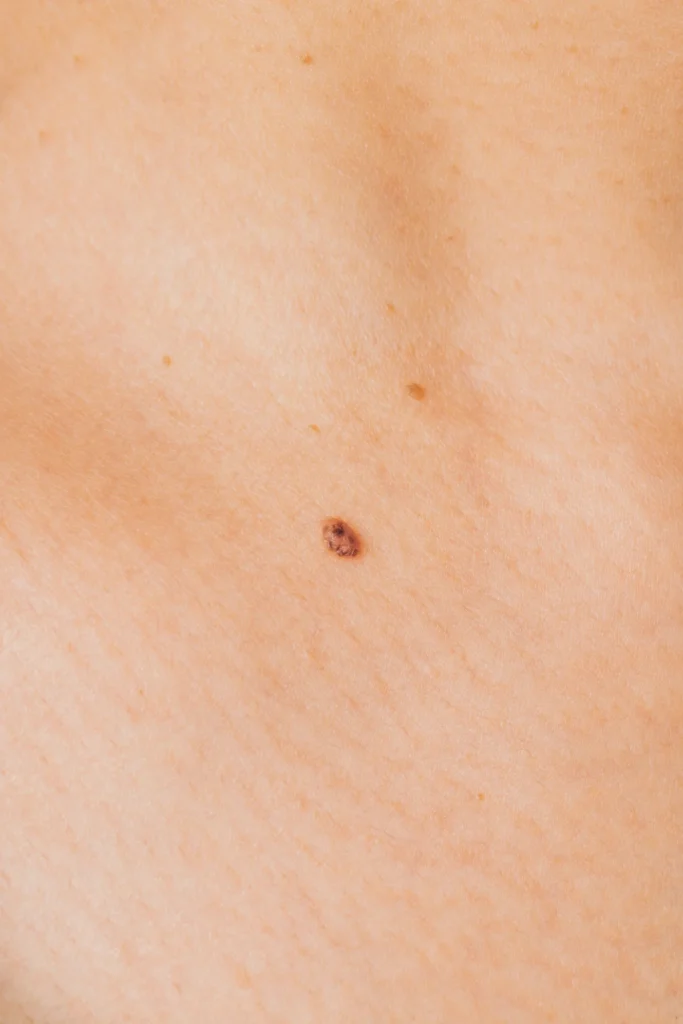
Benign moles are typically round or oval, evenly colored, and remain stable over time. They may be tan, brown, or flesh-colored and can appear anywhere on the body.
Atypical (Dysplastic) Moles
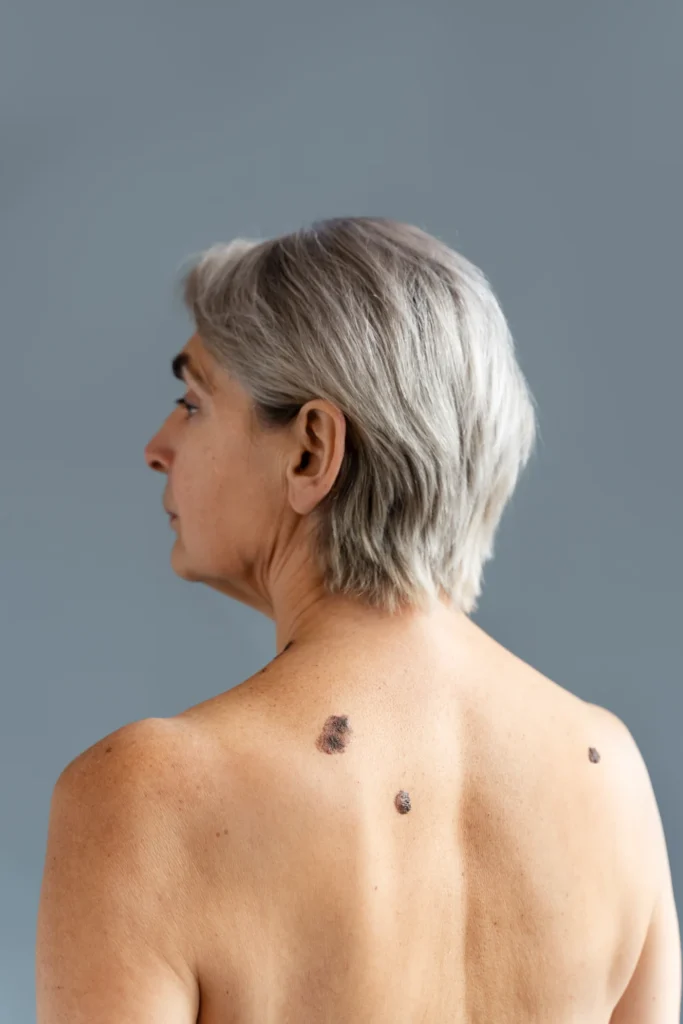
Atypical moles may be larger, have irregular borders, or vary in color. While not cancerous themselves, they may carry a higher risk of developing into melanoma and should be monitored closely.

Congenital Moles
Some moles are present at birth or develop shortly thereafter. Larger congenital moles may carry a higher risk of complications and should be evaluated by a dermatologist.
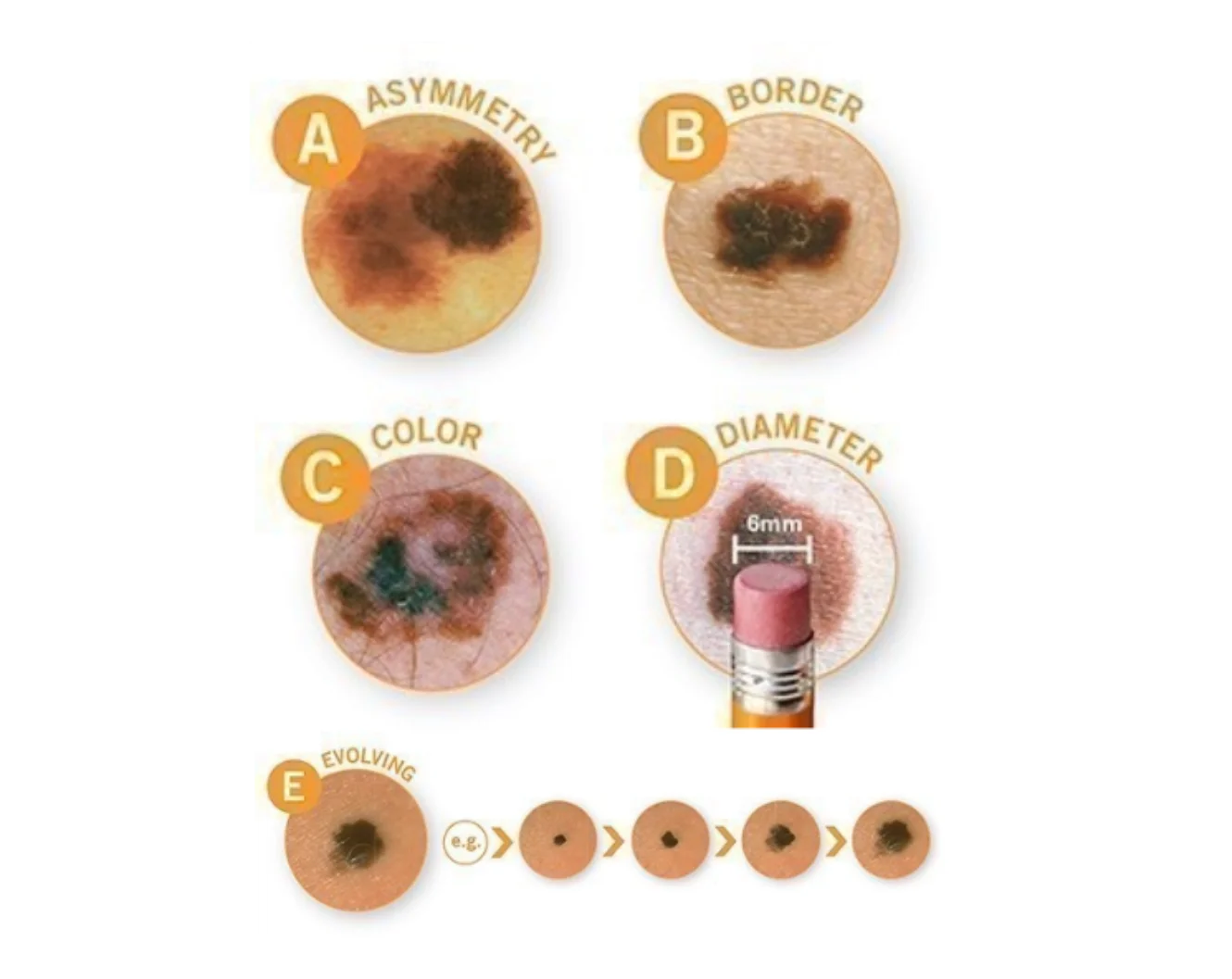
Warning Signs to Watch For: The ABCDEs
When examining your moles at home, use the ABCDEs as a guide:
A | Asymmetry
One half does not match the other
B | Border
Irregular, scalloped, or poorly defined edges
C | Color
Multiple colors or uneven shading
D | Diameter
Larger than 6 mm, though smaller moles can also be concerning
E | Evolving
Changes in size, shape, color, or appearance
Any mole that changes, bleeds, itches, or looks different from others should be evaluated promptly.
Dermatology Associates of Ithaca
Mole Removal and Biopsy
If a mole requires removal or further evaluation, your provider may recommend a biopsy or excisional removal. These procedures are performed in-office using local anesthesia and are generally quick and well tolerated.
Removal may be recommended if a mole:
- Appears suspicious
- Is changing over time
- Causes irritation or discomfort
- Interferes with daily activities
Ongoing Skin Monitoring
Patients with numerous moles, atypical moles, or a personal or family history of melanoma may benefit from regular full skin exams. Your provider will recommend how often follow-up visits are needed based on your individual risk.
We also provide guidance on performing self-skin exams at home and recognizing changes early.
Schedule an Appointment

Schedule a Mole Evaluation
If you are concerned about a mole or would like a professional skin check, our experienced dermatology providers are here to help.
Schedule an Appointment


Contact Us
Have a question or ready to schedule? We’re here to help.