
Excisional Surgery at Dermatology Associates of Ithaca
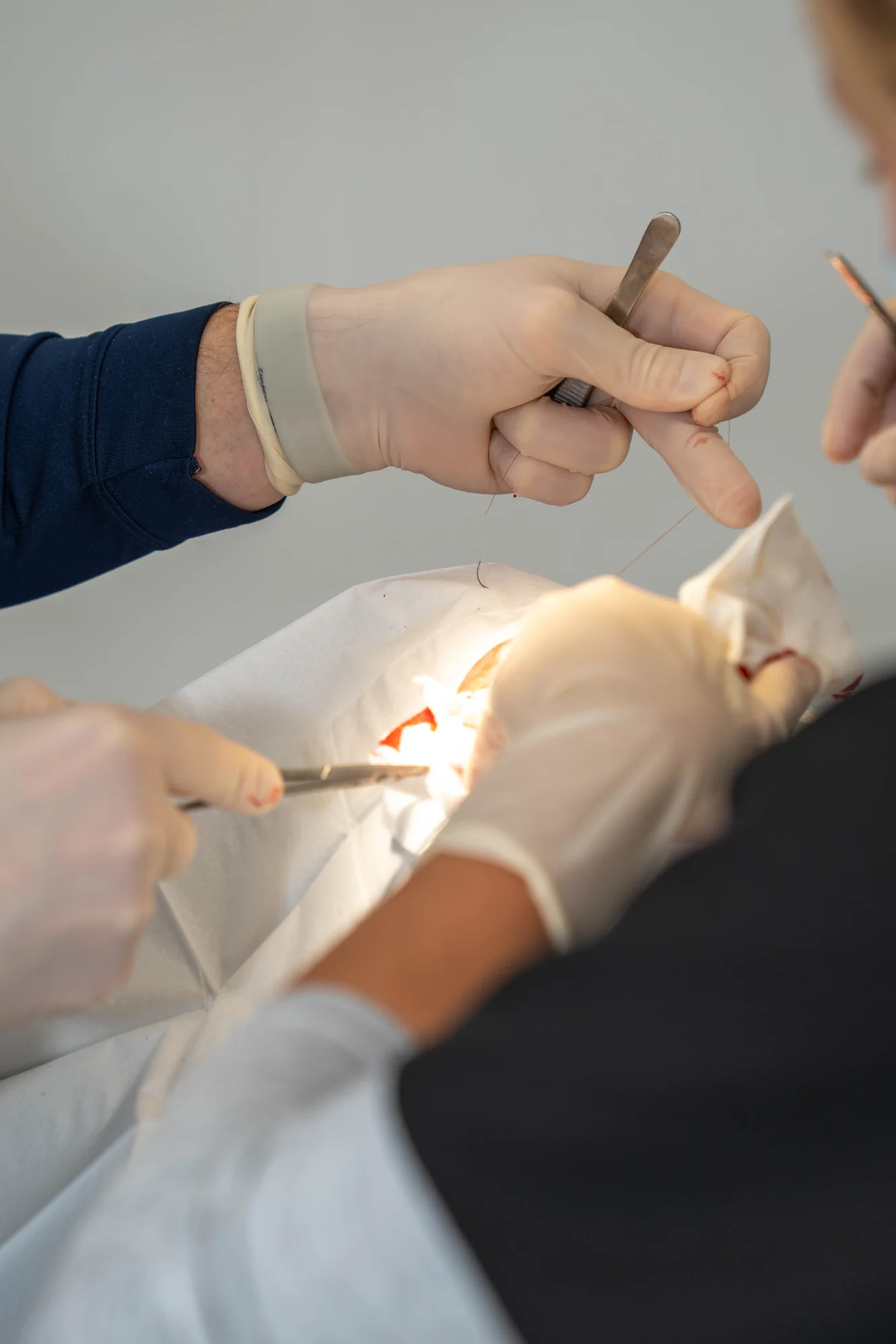
At Dermatology Associates of Ithaca, we perform excisional surgery to remove both benign and cancerous skin lesions. Surgical excision is recommended when clear margins are needed to ensure complete removal of a lesion and reduce the risk of recurrence.
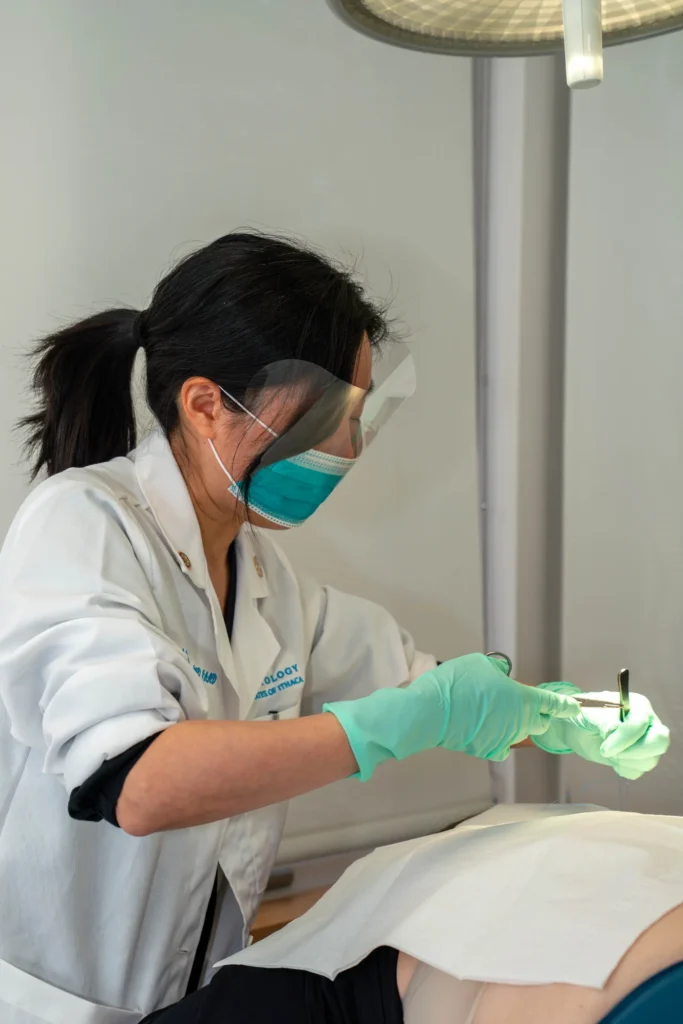
Our board-certified dermatology providers perform excisional surgery in our office using local anesthesia. We focus on effective treatment, patient comfort, and careful wound closure to support optimal healing and cosmetic outcomes.
What to Expect During Excisional Surgery
Excisional surgery is a straightforward, in-office procedure.
During your visit, your provider will:
- Review the diagnosis and reason excisional surgery is recommended
- Explain the procedure and answer any questions
- Numb the area with local anesthesia
- Remove the lesion along with a margin of surrounding tissue
- Close the wound with sutures when needed
- Review wound care instructions and schedule suture removal
You will remain awake during the procedure. General anesthesia or sedation is not used, and most patients tolerate the procedure very well.
Schedule a Surgical Consultation
Why Excisional Surgery Is Recommended
Excisional surgery allows for complete removal of a lesion while preserving surrounding healthy tissue. It is commonly used to treat:
Our Educational Resources
Clear surgical margins help reduce the chance that a lesion will return and allow tissue to be evaluated by pathology when necessary.
Schedule an Appointment
Recovery and Healing After Surgery
Bleeding
Some minor bleeding on the bandage is normal.
To reduce bleeding:
- Limit activities that raise heart rate or blood pressure for at least 24 hours
- Keep the surgical site elevated when possible
- Sleep with your head and shoulders elevated if surgery was performed on the face or upper body
If bleeding occurs, apply firm, constant pressure to the bandage for 15–20 minutes without checking. This usually stops minor bleeding.

Pain Management
Pain is typically mild.
- Extra Strength Tylenol is usually sufficient
- Avoid medications that thin the blood (such as aspirin, ibuprofen, Motrin, Aleve, or Advil) unless prescribed by your physician for daily use
Infection
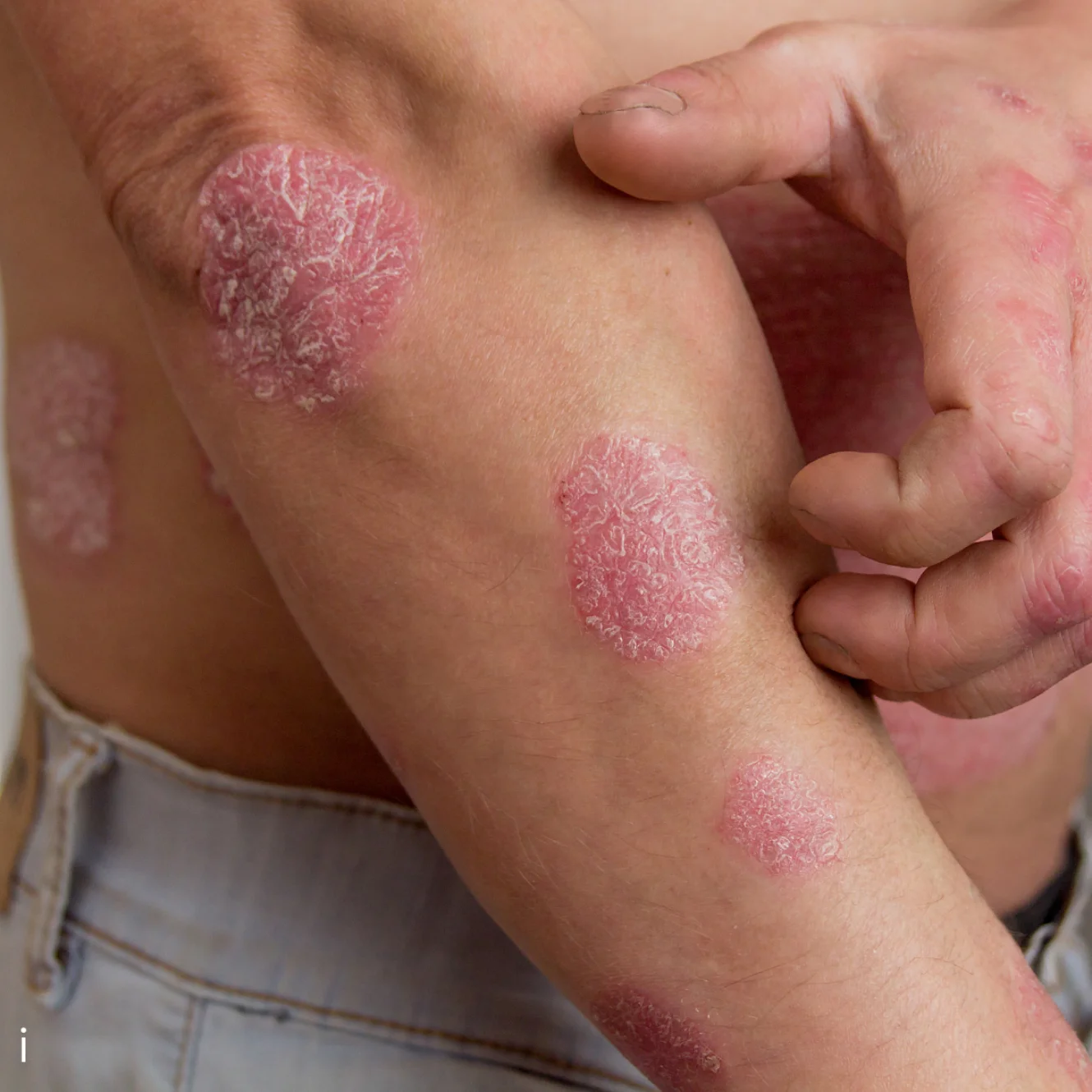
Infection is uncommon when wound care instructions are followed.
Contact the office if you notice:
- Increasing pain
- Redness or swelling
- Yellow drainage
- Symptoms worsening several days after surgery
Wound Care Instructions
- Leave the waterproof bandage in place until your suture removal appointment
- If the bandage falls off, apply Vaseline or Aquaphor and cover with a clean bandage
- Avoid activities that stretch the wound
- Showering is permitted, but avoid swimming or soaking the area
Do not use hydrogen peroxide, as it can slow healing
Your provider will review bandaging and care instructions on the day of surgery.
Frequently Asked Questions
Will I be awake during surgery?
Will I be awake during surgery?
Yes. Excisional surgery is performed using local anesthesia only.
Can I eat on the day of surgery?
Can I eat on the day of surgery?
Yes. You may continue your normal eating habits.
Can I drive after surgery?
Can I drive after surgery?
Most patients can drive themselves home. If surgery is performed on the face or leg, having someone drive you may be advisable.
Should I stop blood thinners before surgery?
Should I stop blood thinners before surgery?
Do not stop prescribed anticoagulants such as Coumadin, Plavix, or Eliquis unless directed by your physician.
When can I resume normal activity or exercise?
When can I resume normal activity or exercise?
Walking, driving, and light activity may resume immediately. We recommend waiting until stitches are removed before exercising—typically one week for the face and ears, and two weeks for other areas.
Is swelling normal after surgery?
Is swelling normal after surgery?
Yes, especially for procedures on the face or hands. Elevation and ice can help reduce swelling.
What should I do if bleeding continues?
What should I do if bleeding continues?
Apply firm pressure for 15 minutes. If bleeding persists after repeated pressure, call the office. After hours, use the emergency line to reach your provider.
Ongoing Care and Follow-Up
Sutures are typically removed one to two weeks after surgery, depending on the location of the procedure. Your provider will review pathology results when applicable and discuss any additional care or monitoring that may be needed.
Schedule an Excisional Surgery Consultation
If you have been advised to undergo excisional surgery or have questions about a lesion that may require removal, our experienced dermatology team is here to help.
Schedule an Appointment


Contact Us
Have a question or ready to schedule? We’re here to help.