Atopic Dermatitis & Eczema Treatment at Dermatology Associates of Ithaca
Atopic dermatitis, commonly known as eczema, is a chronic inflammatory skin condition that causes dryness, itching, redness, and irritation. At Dermatology Associates of Ithaca, we provide proven, individualized treatments for eczema, whether symptoms are mild, recurrent, or more severe.
Our board-certified dermatology providers work closely with patients of all ages to create customized treatment plans that relieve symptoms, restore the skin barrier, and help prevent flares in a compassionate and supportive setting.
What to Expect During an Eczema Evaluation
An eczema evaluation focuses on identifying triggers, assessing severity, and building a long-term management plan.
During your visit, your provider will:
- Review your personal and family history of eczema, allergies, or asthma
- Ask about itching, flare patterns, and environmental triggers
- Examine affected areas of the skin
- Assess disease severity and impact on daily life
- Develop a personalized treatment and skincare plan
Because eczema can change over time, ongoing care and follow-up are often important.
Schedule an Eczema Consultation
Why Treating Eczema Is Important
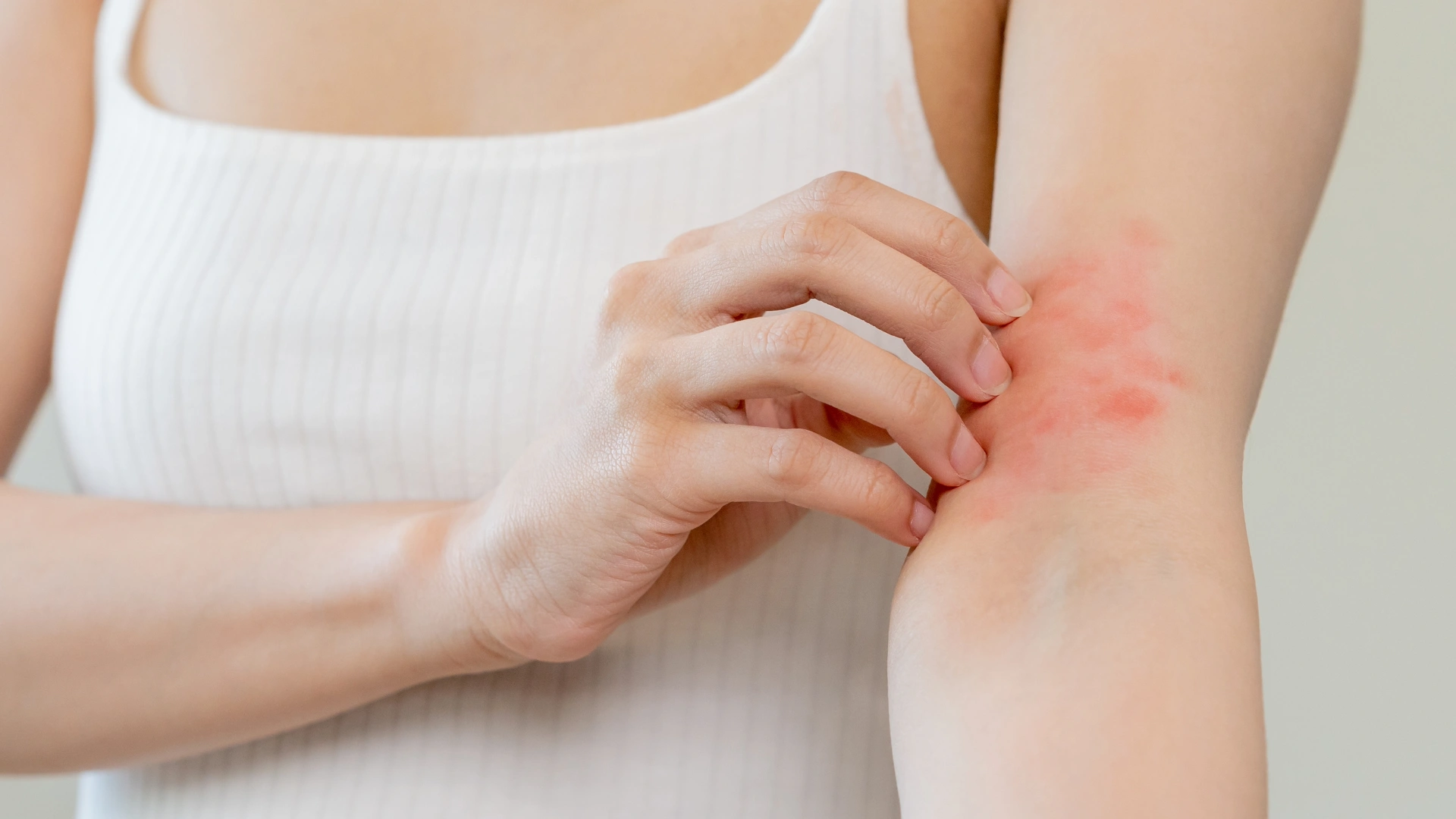
Eczema is often described as “the itch that rashes,” as itching frequently appears before visible skin changes. Scratching can worsen inflammation, damage the skin barrier, and increase the risk of infection.
Proper treatment helps:
- Immediately after the procedure you can reapply makeup and resume your skin care routine.
- Avoid massaging the areas, lying down, or bending for the next 4 hours. Use the treated muscles by making facial expressions over the next few hours to maximize your results.
- The full effect of the treatment is seen in about 2 week after the procedure.
- We would like to follow up with you 2 weeks post treatment to make sure you are pleased with the results.
Schedule an Appointment
Dermatology Associates of Ithaca
Moisturizing and Skin Barrier Care
Healthy skin retains moisture effectively. In eczema-prone skin, the skin barrier is less effective at holding moisture, making hydration essential.
We recommend:
- Applying fragrance-free moisturizers at least twice daily
- Moisturizing immediately after bathing to lock in moisture
- Using creams or ointments rather than lotions
- Choosing products such as CeraVe cream, Cetaphil cream, Eucerin, Aquaphor, or petroleum jelly
- Using heavier ointments for severely dry areas like hands, feet, elbows, and knees
- Wearing cotton gloves or socks overnight for severe dryness
Daily use of a facial moisturizer with SPF 30 or higher and fragrance-free lip balm with sun protection is also recommended year-round.
Bathing and Showering Tips for Eczema
Bathing can help rehydrate and soothe eczema-prone skin when done properly.
Helpful tips include:
Eczema Treatment Options
Treatment depends on severity, affected areas, and response to prior therapies.
Topical Steroids
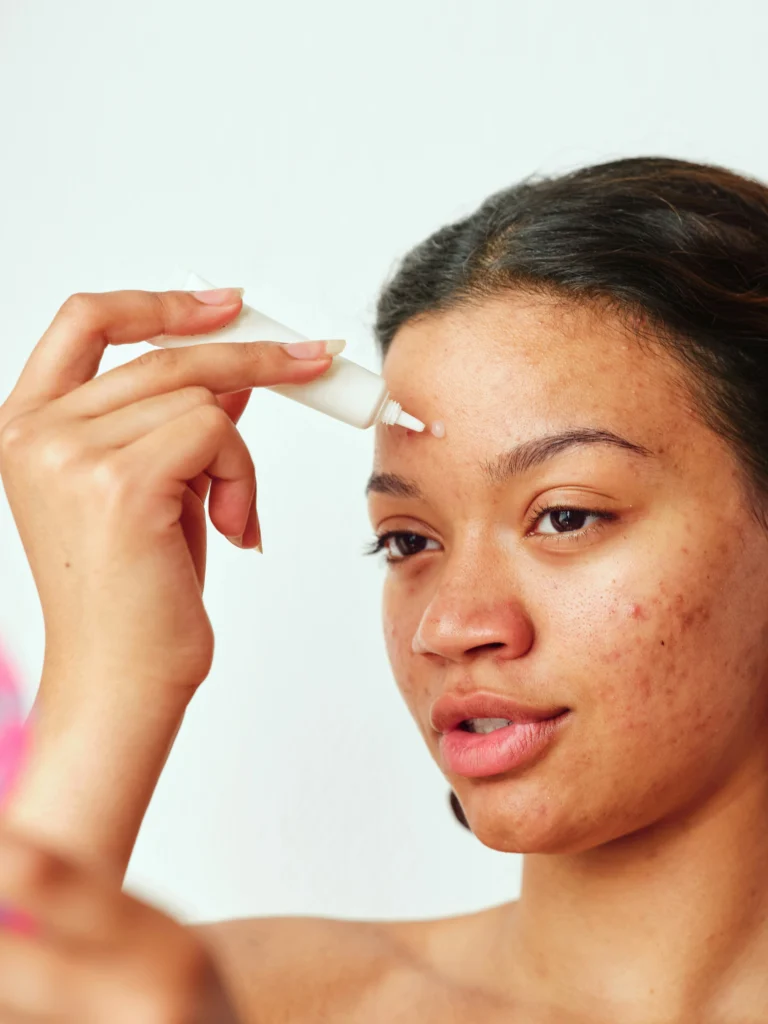
Topical steroids reduce inflammation, redness, and itching.
- Typically used twice daily for short treatment cycles
- Followed by rest periods to protect skin health
- Moisturizers should be applied after steroid use
Types include:
- Low-potency steroids, such as hydrocortisone, for sensitive areas (face, armpits, groin)
- Higher-potency steroids, prescribed for limited use on thicker skin areas

Non-Steroid Topical Treatments
Topical calcineurin inhibitors (such as tacrolimus or pimecrolimus):
- Are helpful for long-term use or sensitive skin areas
- Do not cause skin thinning
- May cause a temporary burning sensation that improves with time
Your provider will discuss safety, expectations, and appropriate use.
Itch Control and Sleep Support
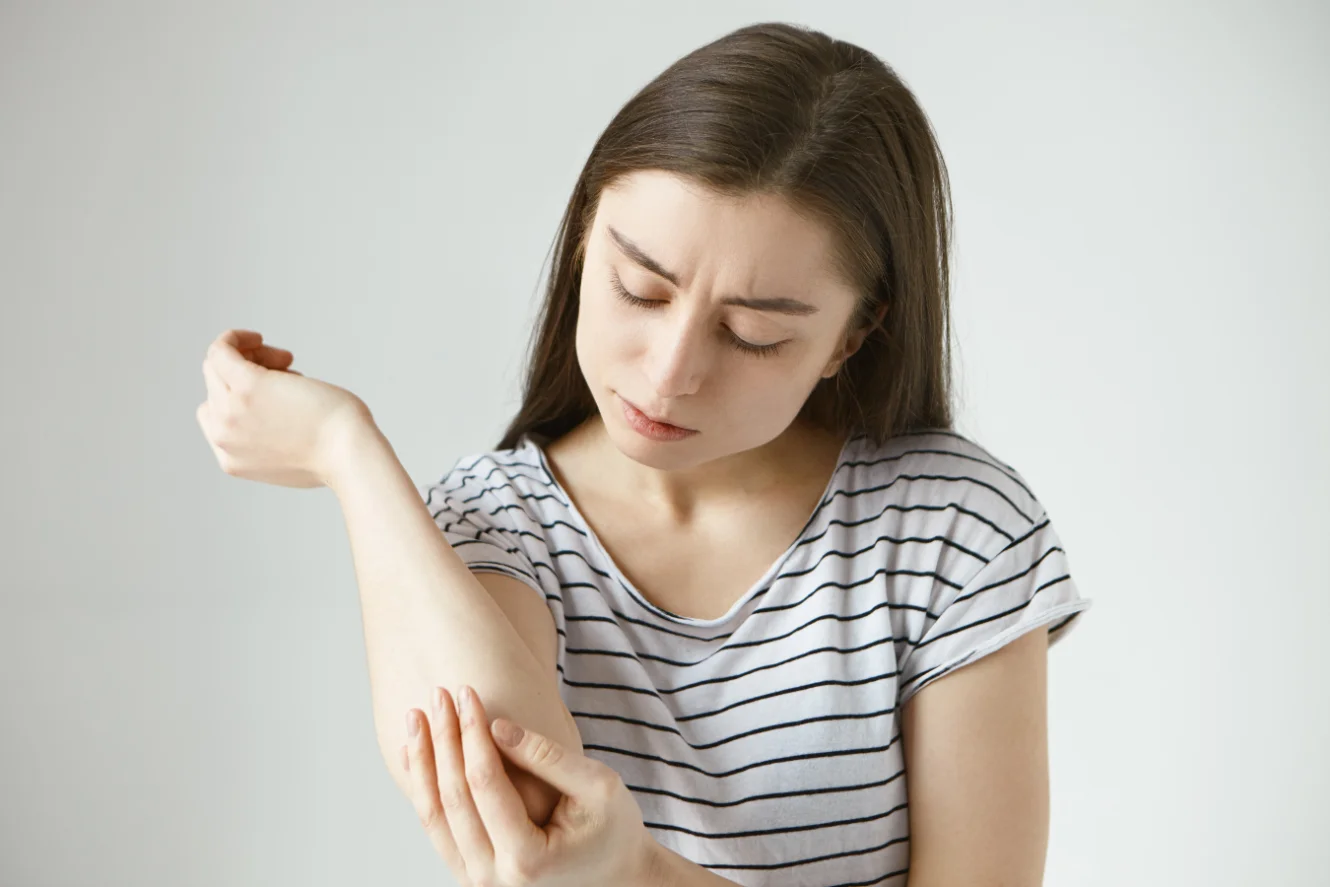
Severe itching can interfere with sleep and daily activities.
Treatment options may include:
- Sedating antihistamines at night, when appropriate
- Non-sedating antihistamines during the day if needed
Your provider will recommend options based on your symptoms and lifestyle.
Light Therapy and Advanced Treatments
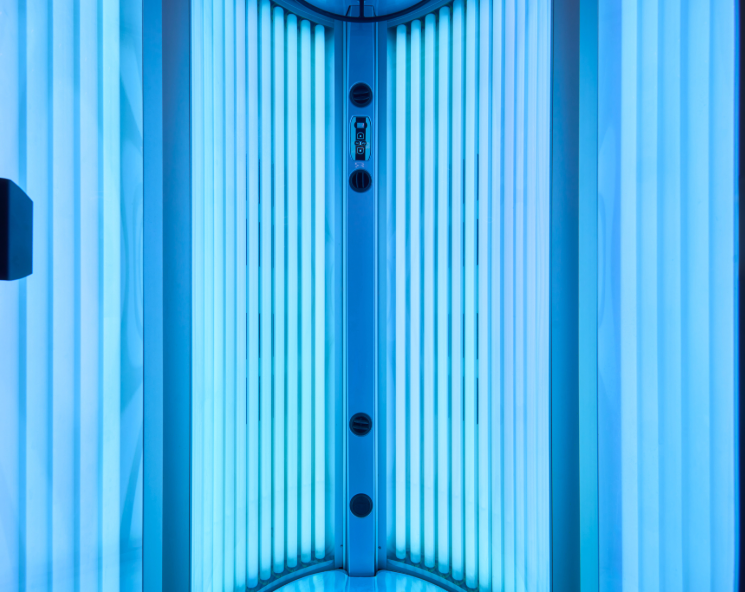
For eczema that worsens during fall and winter or does not respond to topical therapy, narrowband or broadband UVB phototherapy may be recommended.
- Safe and effective
- Performed in-office
- Typically requires short visits three times per week

Bleach Baths and Wet Wrap Therapy
For moderate to severe eczema, additional therapies may help control flares.
Bleach baths:
- Reduce bacteria on the skin that can worsen eczema
Are typically done once or twice weekly - Your provider will review proper instructions
Wet wrap therapy:
- Helps rehydrate the skin
- Reduces itching and scratching
- Improves absorption of topical treatments
- Often used during severe flares
Schedule an Eczema Consultation
If you or your child are experiencing persistent itching, dry skin, or eczema flares, our experienced dermatology providers are here to help.
Schedule an Appointment



Contact Us
Have a question or ready to schedule? We’re here to help.