
August Skincare Tips for Sun-Damaged Skin
Recognizing the Signs of Sun Damage
After months of intense sun exposure, August is when many people start to notice visible signs of skin damage. Dryness, rough texture, dark spots, uneven skin tone, and fine lines can all indicate your skin has been affected by UV rays. Recognizing these signs early allows you to start repairing and protecting your skin before the season changes.
How to Repair Summer Skin
The initial process in treating sun-damaged skin is moisturizing. Applying moisturizers with ingredients such as hyaluronic acid or ceramides can repair the skin barrier and seal in moisture. Serums rich in antioxidants, such as vitamin C or green tea extract, can lighten the skin and diminish the evidence of cellular damage. Once- or twice-weekly gentle exfoliation will remove dead skin cells and even out rough patches, but harsh scrubs should be avoided, particularly on red or sensitive skin.
Sunscreen Is Still Important in August
Summer may be over, but that’s no reason to skip the sunscreen. A daily broad-spectrum SPF 30 or higher is still essential, even on cloudy days or when running in and out. Reapply if you’ll be outside for an extended period, sweating, or swimming.
When to See a Dermatologist
If you’re noticing ongoing redness, flaking, or pigmentary changes that aren’t responding to over-the-counter skin care, a dermatologist appointment is a smart next step. Chemical peels, prescription topical medications, or other in-office procedures can effectively treat deeper levels of damage and help your skin regain its health more quickly.
Keep Your Skin Healthy as Summer Ends
By making a few thoughtful changes to your skincare routine in August, you can reverse visible sun damage and protect your skin as the seasons shift. Treat your skin with care now to ensure it stays clear, healthy, and resilient year-round. Contact our office today.
Recent blog

Unlock Healthier Skin by Reducing Sugar in Your Diet
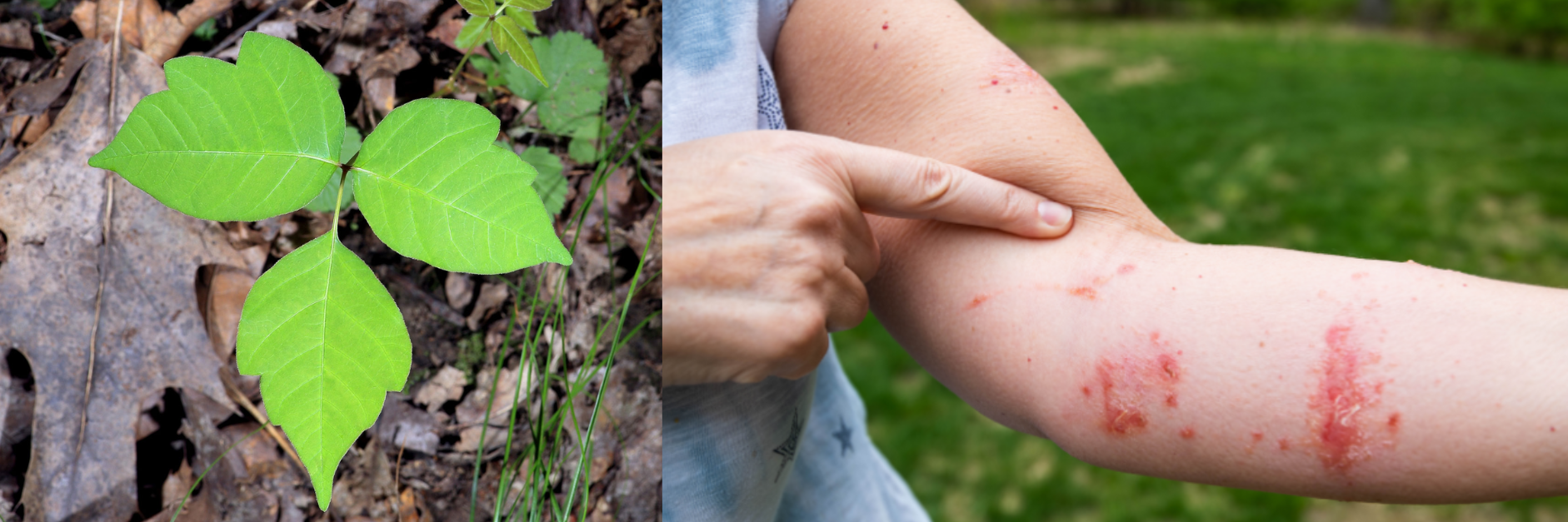
Your Summer Guide to Poison Ivy and Allergic Contact Dermatitis

Top Reasons to Moisturize Your Skin During Summer Months

Unlock Healthy Skin with These Glow-Boosting Fruits
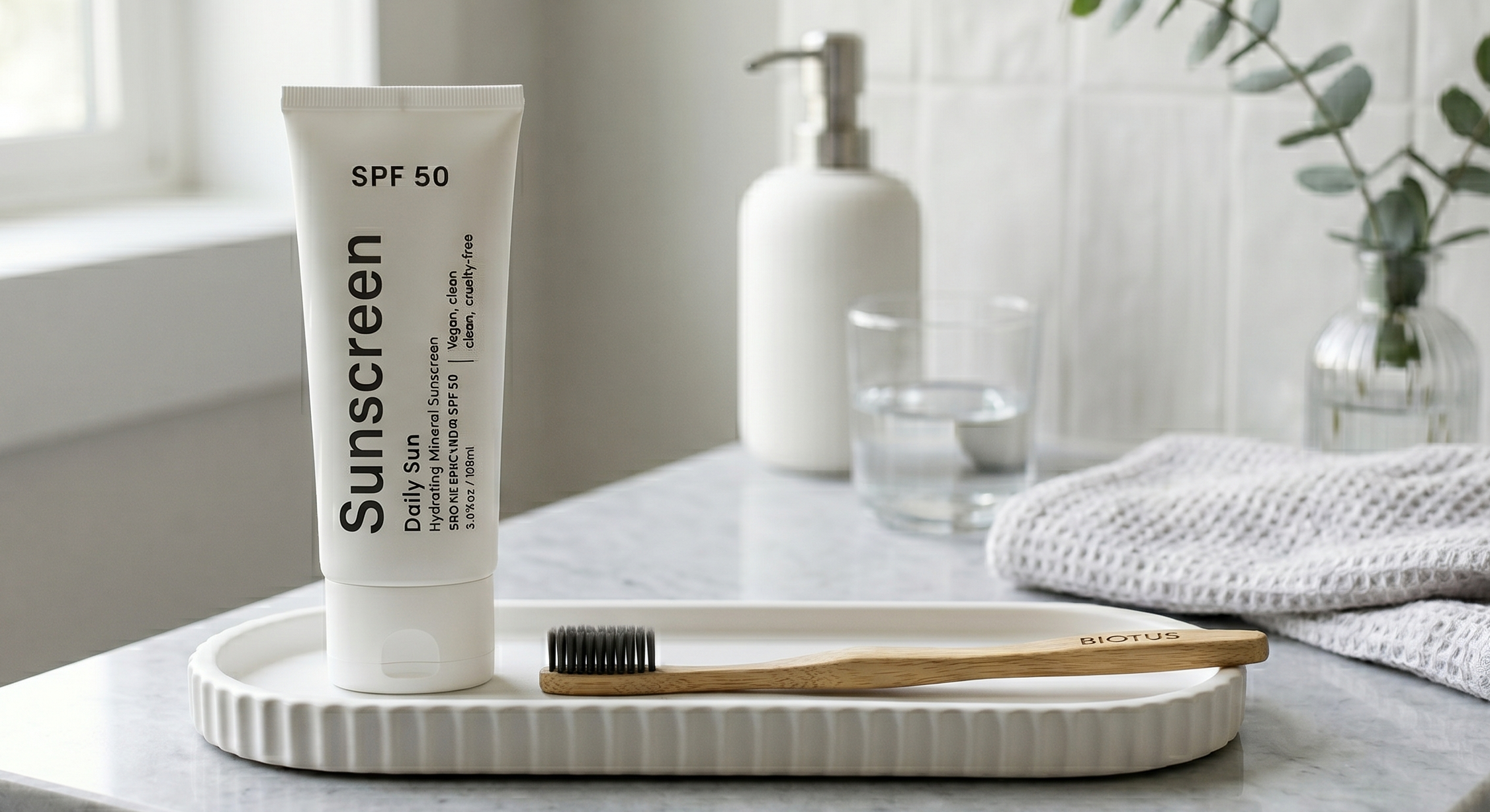
Top Reasons Sun Protection Should Be Part of Your Daily Routine