Best Treatments for Acne Scars: How a Dermatologist Can Help
Acne scars can be a frustrating reminder of past breakouts, affecting not only your skin but also your confidence. While acne scars can be difficult to treat on your own, advancements in dermatology have made it possible to significantly improve their appearance. From cutting-edge laser treatments to tried-and-true procedures like chemical peels, there are a variety of effective options available to help you achieve smoother, clearer skin.
Best Treatments for Acne Scars
Dermatologists offer a range of treatments designed to target acne scars and improve the overall appearance of your skin. Some of the most effective options include:
Laser Therapy: Laser treatments, such as fractional laser resurfacing, are among the most advanced options for treating acne scars. These lasers work by stimulating collagen production and resurfacing the skin, helping to smooth out depressions and improve texture. Laser therapy is particularly effective for atrophic scars and can also help reduce redness or discoloration.
Microneedling: This minimally invasive procedure involves using tiny needles to create micro-injuries in the skin, which triggers the body’s natural healing process and promotes collagen production. Microneedling is a versatile treatment that can improve the appearance of both scars and overall skin tone.
Chemical Peels: Chemical peels use a solution to exfoliate the top layers of skin, revealing smoother, healthier skin underneath. They are especially effective for treating post-inflammatory hyperpigmentation and mild acne scars. Peels can be customized to suit your skin type and the severity of your scars.
Dermal Fillers: For deeper atrophic scars, dermal fillers can be used to lift and smooth the skin. These fillers are injected into the scarred area to restore volume and create a more even surface. While the results are temporary, they can provide a noticeable improvement.
Subcision: This technique involves breaking up the fibrous bands beneath the skin that pull down atrophic scars, allowing the skin to lift and smooth out. Subcision is often combined with other treatments, such as laser therapy or microneedling, for optimal results.
Why See a Dermatologist?
While there are many treatments available for acne scars, choosing the right one depends on your skin type, the type of scars you have, and your overall goals. A dermatologist can assess your skin and recommend a personalized treatment plan that delivers the best results. They also have access to advanced technologies and medical-grade products that are not available over the counter, ensuring that you receive safe and effective care.
In addition to treating existing scars, a dermatologist can help you prevent future scarring by managing active acne and providing guidance on proper skincare. This comprehensive approach ensures that your skin looks and feels its best.
Take the First Step Toward Smoother Skin
If you’re ready to address your acne scars and achieve clearer, more confident skin, don’t wait to seek professional care. A dermatologist can provide the expertise and treatments you need to see real results.
Recent blog

Understanding Eyelid Dermatitis: Symptoms, Causes, and Rash Relief
How Early Melanoma Diagnosis Boosts Survival
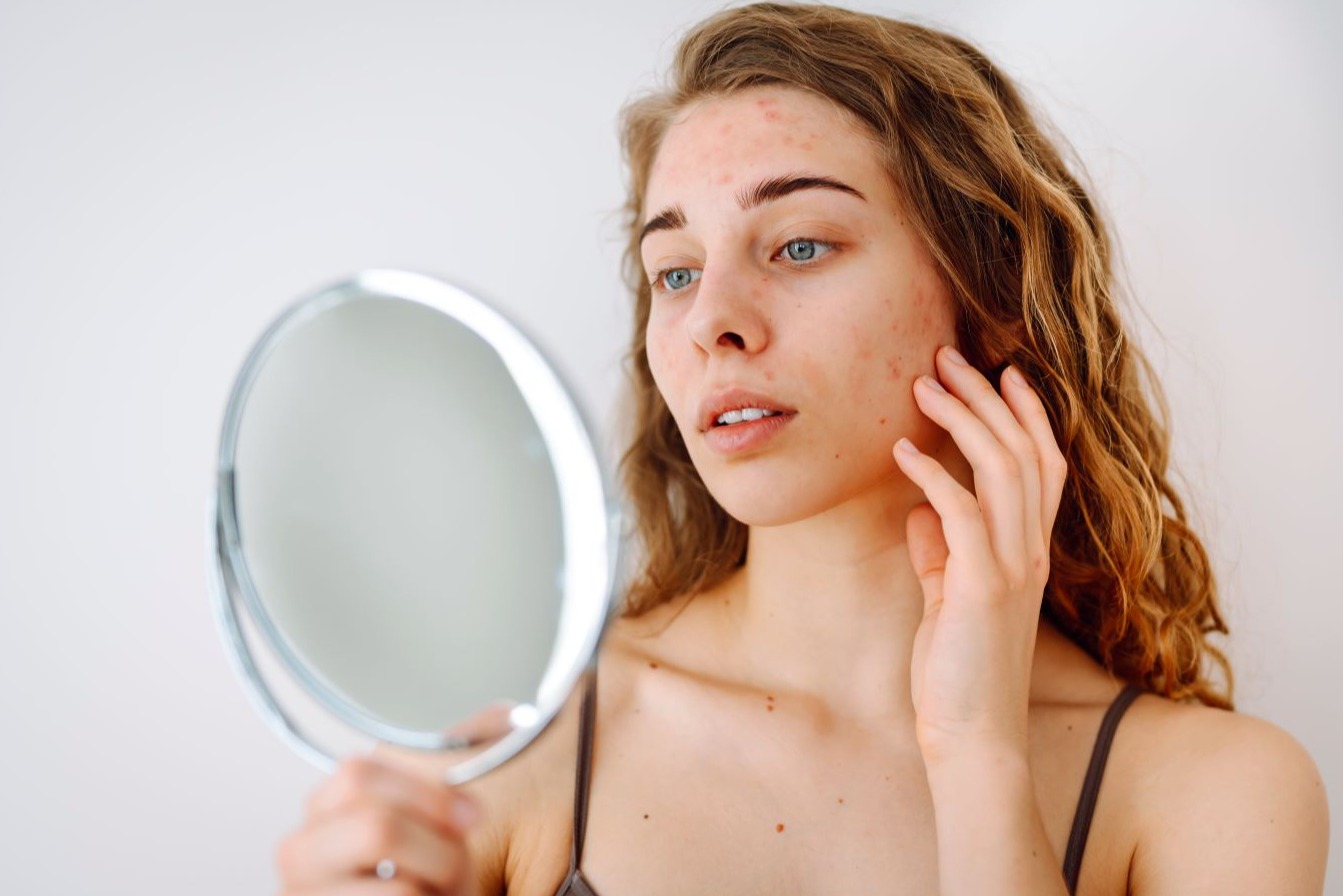
Unlock Healthier Skin by Reducing Sugar in Your Diet
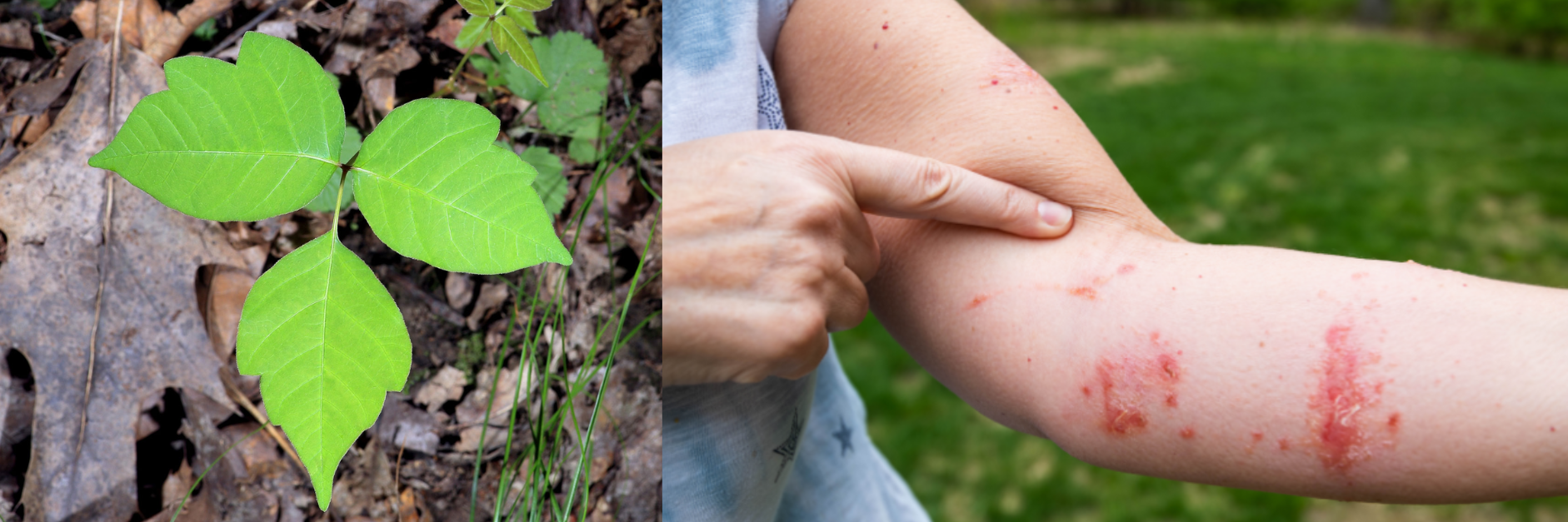
Your Summer Guide to Poison Ivy and Allergic Contact Dermatitis
Top Reasons to Moisturize Your Skin During Summer Months