Managing Rosacea: Tips for Reducing Flare-Ups and Protecting Your Skin
Rosacea is a common, chronic skin condition that causes redness, visible blood vessels, and sometimes bumps or pimples on the face. It often appears on the cheeks, nose, chin, and forehead but can also affect the eyes and other parts of the face. Though it’s a relatively common condition, rosacea can have a significant impact on self-esteem, as its symptoms can be visible and challenging to manage. While there is no cure for rosacea, managing the condition effectively with the right treatment and lifestyle adjustments is possible.
Living With Rosacea
Rosacea is more than just a temporary flush of redness. It’s a long-term skin condition that can cause persistent redness, visible blood vessels, and small, red bumps or pustules. The skin may thicken and become bumpier in more severe cases, especially on the nose. Rosacea often occurs in episodes or flare-ups, triggering environmental changes, certain foods, or stress.
It’s important to note that rosacea primarily affects individuals with fair skin and can begin in adulthood, typically between the ages of 30 and 50. Though rosacea is not contagious, managing the condition is essential for reducing flare-ups and preventing further irritation.
While triggers can vary from person to person, some common factors that can worsen rosacea symptoms include:
- Heat and sun exposure
- Stress
- Spicy foods
- Alcohol
- Hot beverages
- Harsh skincare products
- Physical exercise
Since rosacea causes sensitive skin, using gentle, non-irritating skincare products is important. Wash your face with lukewarm water instead of hot water, which can cause flushing. You should also choose a fragrance-free mild cleanser to avoid stripping your skin of moisture.
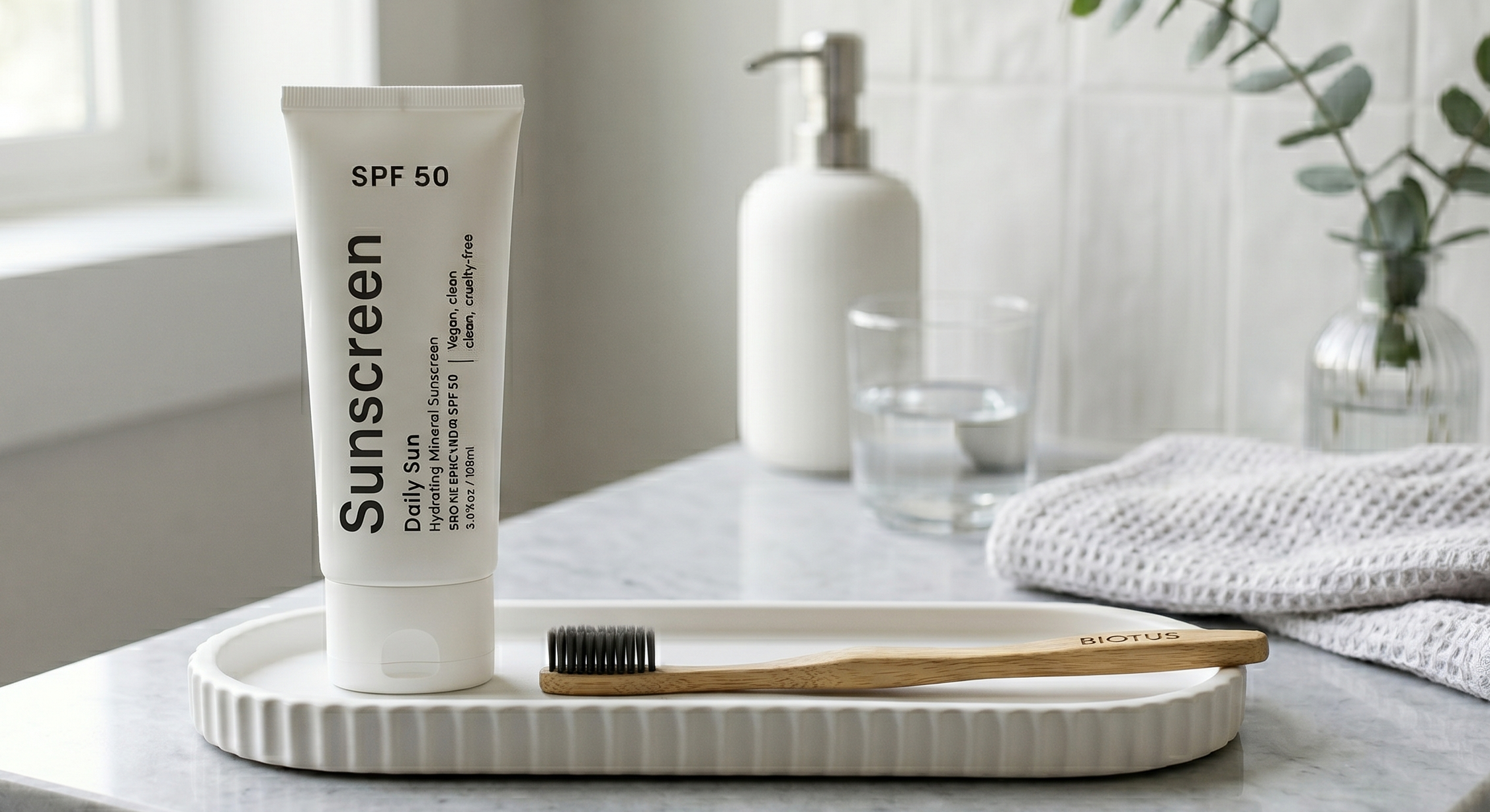
Sun exposure is one of the most common triggers for rosacea flare-ups. Wearing sunscreen every day is crucial to managing the condition. Look for broad-spectrum SPF 30 or higher and choose a mineral-based sunscreen with zinc oxide or titanium dioxide, as these ingredients are less likely to irritate sensitive skin. It’s also a good idea to wear protective hats and clothing when spending extended time outdoors.
Contact Our Dermatologist Today
Make sure you know how to manage your rosacea! Contact your dermatologist to schedule your appointment today.
Recent blog
Unlock Healthier Skin by Reducing Sugar in Your Diet
Your Summer Guide to Poison Ivy and Allergic Contact Dermatitis
Top Reasons to Moisturize Your Skin During Summer Months

Unlock Healthy Skin with These Glow-Boosting Fruits
Top Reasons Sun Protection Should Be Part of Your Daily Routine